- Home Page
- RVing Tips & Tricks
- Winterizing
Winterizing Your RV: Essential Steps & Tips
By: Jeremy Johnson
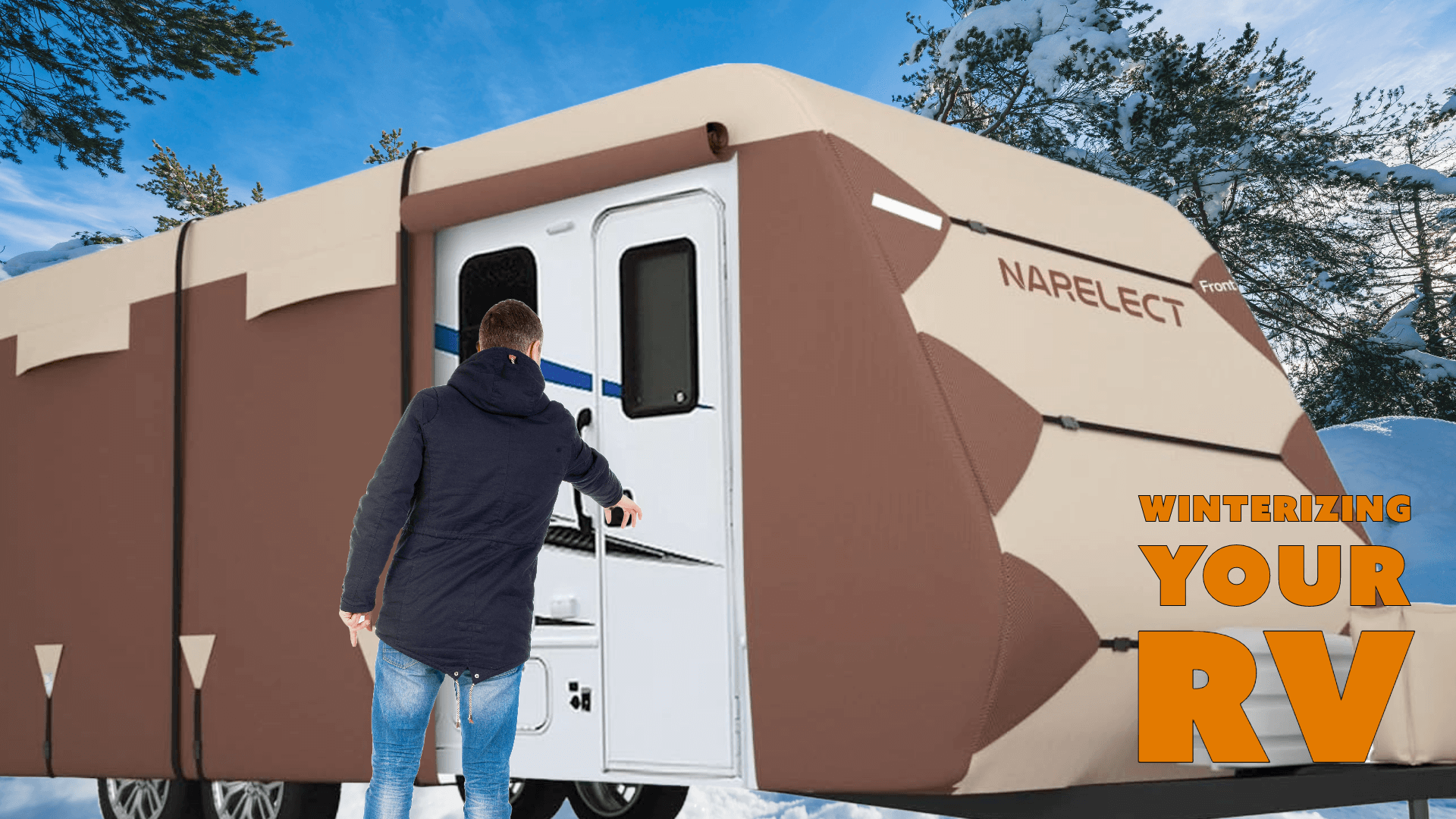
Winterizing your RV will prevent damage to its plumbing
When you think of an RV owner, you usually think "Snowbird" right? You know those people that follow the warmth to wherever it happens to be that season. They may be from Calgary, but they spend their winters in St. George, Utah. A lot of these folks have RVs - in fact, they live in them. The Snowbirds don't have to worry about winterizing their coach because it's never going to sit in the freezing cold during the winter months. That's not true for many other RV owners though.
Our video below gives an overview of what is discussed in this article. If you want to dive deeper into winterizing your RV, you should read the full article.
You can subscribe to the Everything About RVing YouTube Channel for some great videos about RVing

If you live in a cold climate you need to properly winterize your coach to avoid having your plumbing explode in the cold. Nothing is going to ruin your cheery spring mood like having to spend thousands of dollars repairing your pipes before you take your first road trip next summer. Here's the recommended process for protecting your motorhome plumbing.
1. Drain the water from the plumbing system and fill the plumbing with potable antifreeze. On the undercarriage of your rig you'll find a low-point valve. You need to open it; this is where all the fresh water that could freeze and destroy your pipes will drain. It's going to be a little tough to get to.
After that valve is open, get into your coach and open all the sink and shower valves and flush the toilet (you don't want a frozen exploding throne do you?). Turn on all sink and shower faucets so those can drain too.
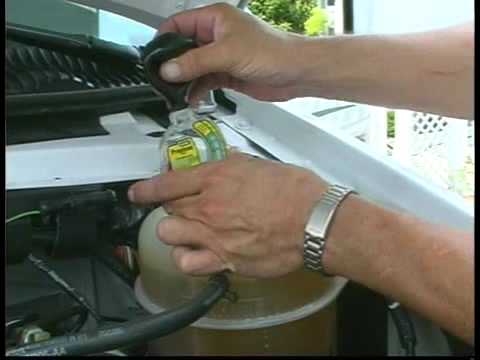
2. Install an anti-freeze installation kit. All you have to do is insert the valve after you detach the inlet line from the water pressure pump. Any installation kit you buy should come with a graphic showing you the process.
You'll want to point the valve handle toward the transparent hose that comes with the kit, and you'll want to put that hose in a jug of potable antifreeze. That takes care of getting anti-freeze into all your plumbing. Remember - you want potable anti-freeze (not the stuff for your car)!
3. Install a water-heater bypass set, which is a series of valves that keep the antifreeze from going into your water heater. This part may be a little complicated. You only have to do it once, so I recommend taking it to your local motor home mechanic and having him do it.
4. Drain any water out of the water heater; if any is left in there, it will freeze and burst the heater. That's another expensive repair!
You'll need to open the drain petcock on the heater, but you'll have to be firm because finger-operated valves have a tendency to get stuck after being heated and cooled off several times.
Open the relief valve on the heater so air can get in and push the water you're trying to drain out. Otherwise this one part of the process could take hours. Just don't forget to close the petcock and the valve after you're done draining the water heater. Those are little details you don't want to remember next spring when you're de-winterizing your motor home.
5. Now that you have your anti-freeze installation kit ready, get in the coach and turn on each sink and shower individually (both the cold and hot faucets) and run them until you're not seeing any more water, just the potable anti-freeze. Do the same thing with your shower and the shower wand so you know there isn't any fresh water left to burst your pipes or other plumbing fixtures.
You also want to let enough anti-freeze run so your sink traps and drains get covered with the anti-freeze. One final note: if you have a water filtration system make sure you disconnect it before running anti-freeze through the whole system. It will make your filters unusable.
Editor's Note: If you would like even more information on the Proper steps required to winterize your RV, you may want to purchase the video Winterizing and Storing your RV by RVing Expert Mark Polk from RV Education 101.
The Winterizing and Storing your RV video covers more than just winterizing the water system on your RV, it goes into detail on the other steps you need to take to properly prepare your RV for winter storage. In the video below Mark Polk explains what else is covered by his great video.
To view all the RV Education 101 educational materials from the RVing Expert Mark Polk visit the RV Education 101 Website
FAQ
Why is winterizing your RV important?
Why is winterizing your RV important?
Winterizing your RV prevents damage to its plumbing, especially in cold climates where water in the pipes can freeze and cause them to burst.
What is the first step to protect the motorhome plumbing for winter?
What is the first step to protect the motorhome plumbing for winter?
The first step is to drain the water from the plumbing system and fill the plumbing with potable antifreeze. This is done by opening the low-point valve on the undercarriage of the rig to drain fresh water that could freeze.
How do I install an anti-freeze installation kit in my RV?
How do I install an anti-freeze installation kit in my RV?
Detach the inlet line from the water pressure pump, insert the valve, and point its handle toward the transparent hose that comes with the kit. This hose should be placed in a jug of potable antifreeze to get anti-freeze into all your plumbing.
Why do I need a water-heater bypass set and how do I drain water from the water heater?
Why do I need a water-heater bypass set and how do I drain water from the water heater?
A water-heater bypass set keeps antifreeze from entering the water heater. To drain water from the heater, open the drain petcock and the relief valve. This allows air in and helps push out the water. Remember to close both after draining.
What should I be cautious about when running anti-freeze through the entire system?
What should I be cautious about when running anti-freeze through the entire system?
If you have a water filtration system in your RV, disconnect it before running anti-freeze through the system. Running antifreeze through it will render the filters unusable.
You might like these
How to Plug RV Into House Electric
Here are steps you need to take to safely plug your RV into your homes electrical system
Keeping Your RV Rodent and Insect Free During Storage
Here are some helpful tips for keeping your RV rodent and insect free during storage
Getting Your RV Furnace Ready for Winter RVing
If you plan to do some winter RVing, then getting your RV Furnace ready for winter is important
All You Need to Know About RV Plumbing
All you need to know about RV plumbing to keep your RV's plumbing system running smoothly. Expert tips included